A portrait lighting atlas written in nose shadows
Loop, Rembrandt, split and butterfly describe where light and shade land on a face, rather than a shopping list of equipment.
Four lighting patterns in photographs
Photorealistic AI examples referencing the same person. Read the characteristics as visual references, not measurements from an identical physical setup.
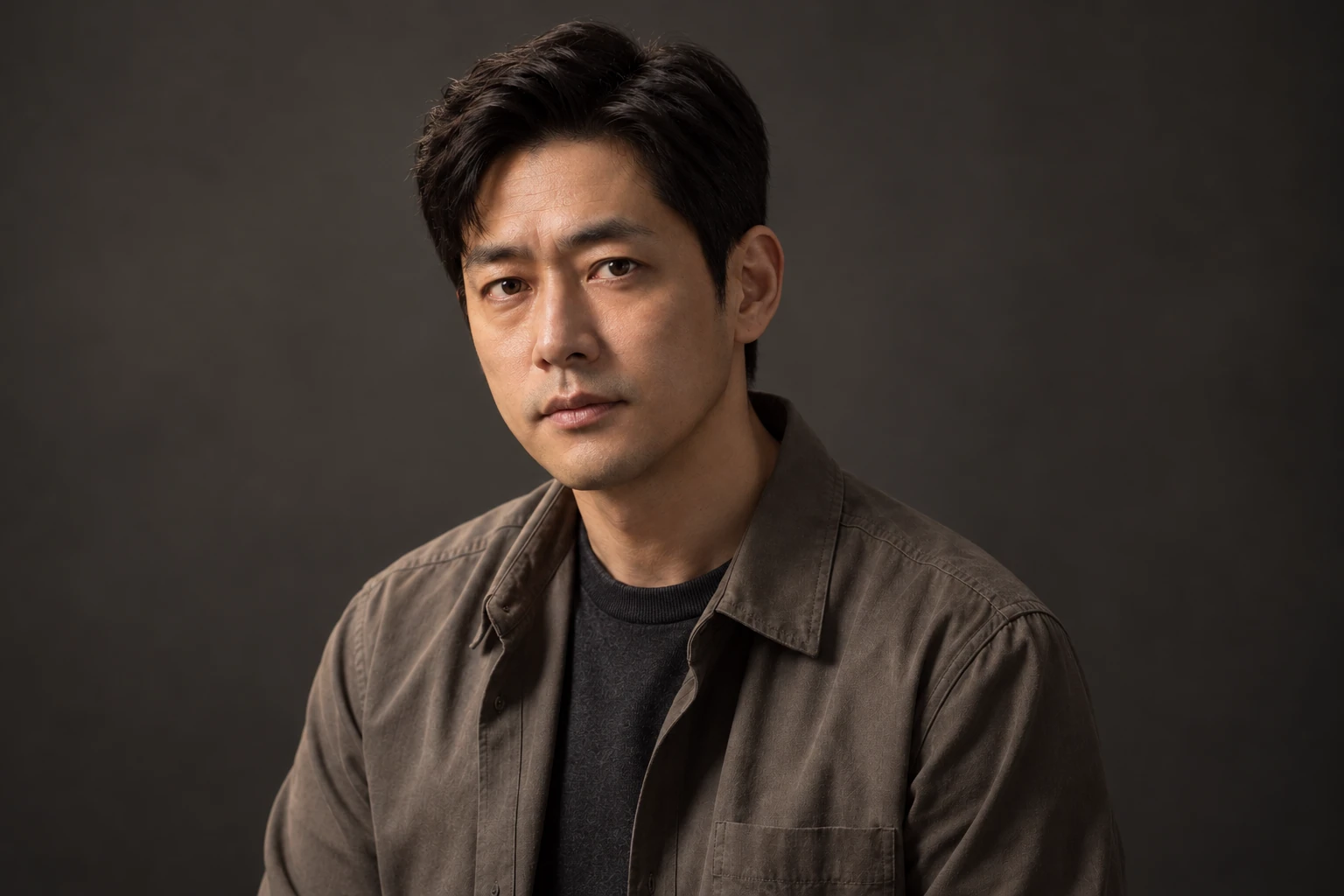
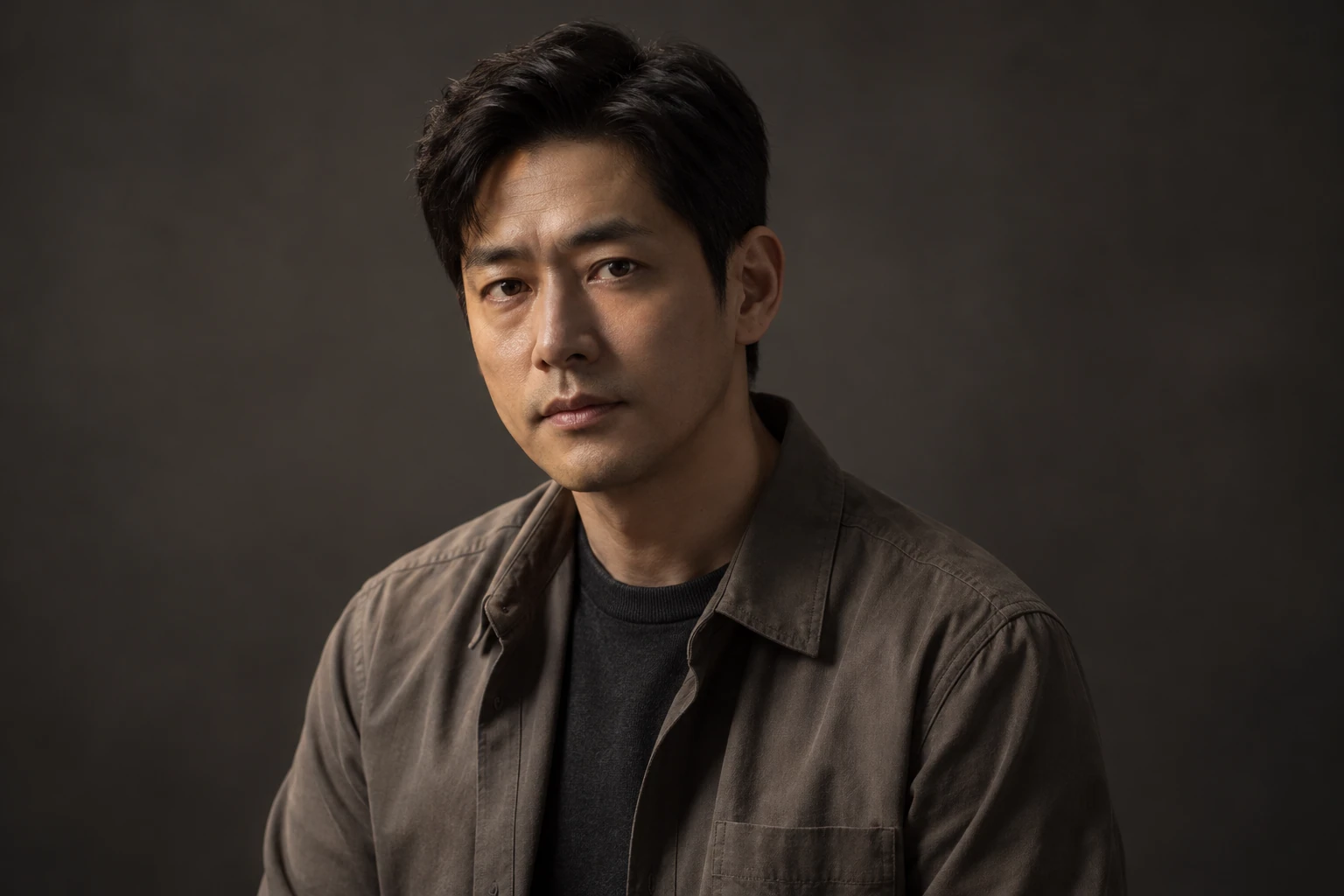
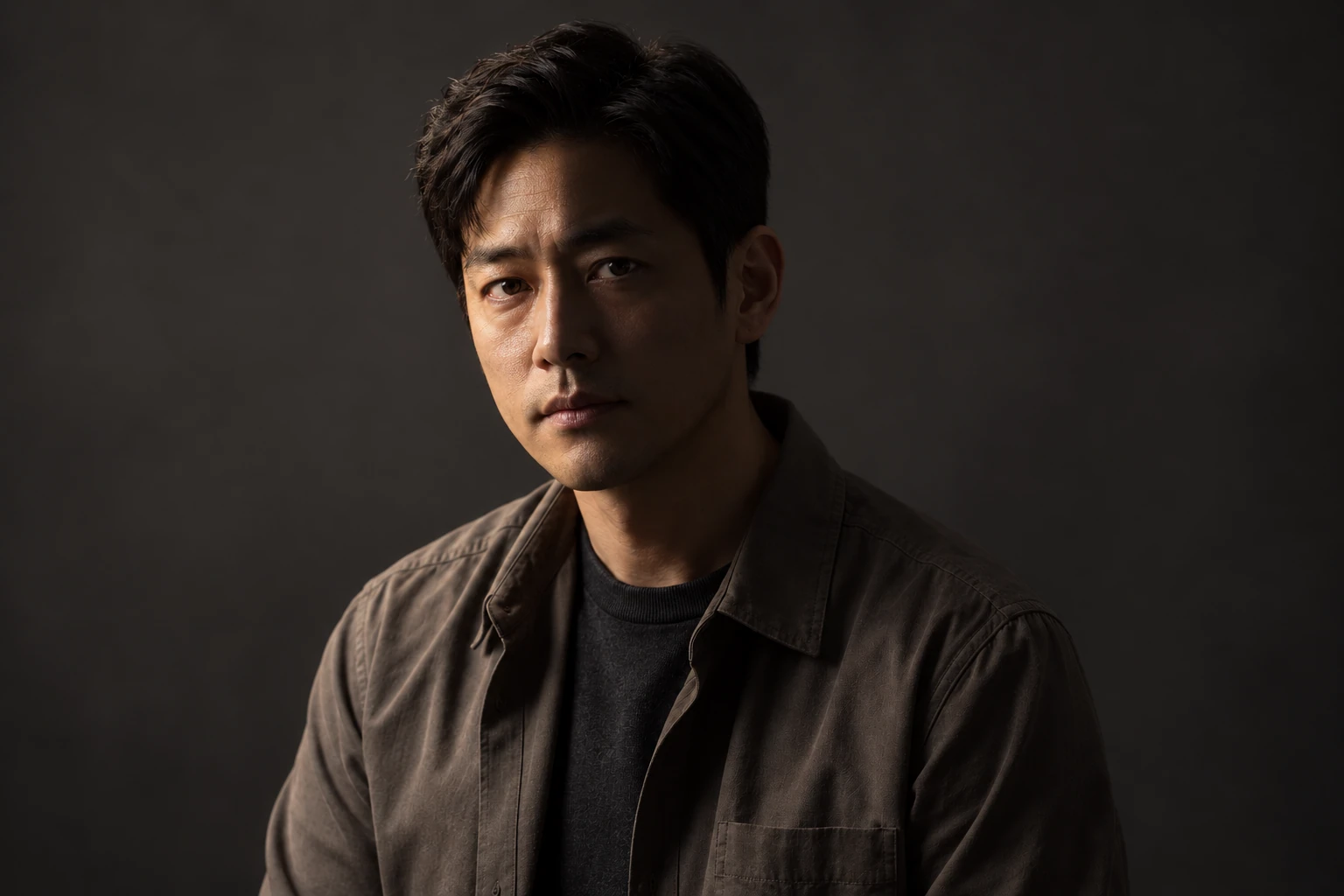
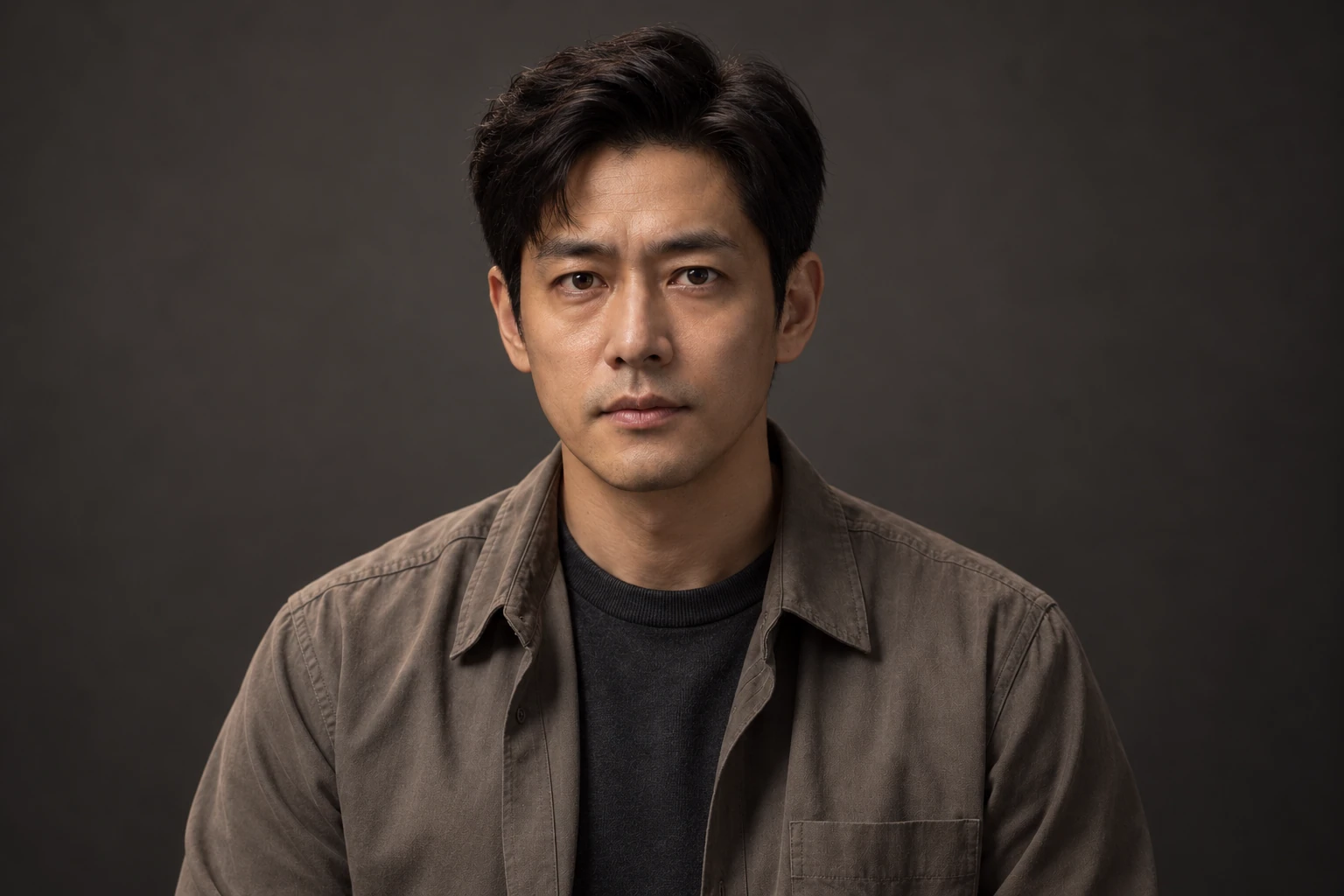
Read the shapes on the face
Loop lighting leaves the nose shadow separate from the cheek shadow. In Rembrandt lighting they meet, leaving a small triangle of light on the darker cheek. Split lighting divides the face more strongly, while butterfly places the nose shadow below the center. Real faces need not match idealized patterns.
The face can move relative to a fixed light
Turning the head changes the relationship between nose and source even when the camera and lamp stay still. Broad and short lighting describe whether the cheek appearing wider or narrower to camera is lit. These are separate distinctions: a loop pattern can be broad or short.
Check the eyes before trusting an angle
Raising a source moves the nose shadow down but can bury the eyes under the brow. An angle such as 45 degrees is a test position. Inspect visible eyes, shadow overlap with the upper lip and the amount of face left in darkness, then adjust to the person.