Event-photo lighting: formal records and a celebration atmosphere
Compare formal group, outdoor gathering and bright celebration light. Check mixed colors, LED banding and facial exposure across all participants.
Showing the venue and clearly showing every face are separate tasks. Choose a composed record for a ceremony or brighter atmosphere for a celebration, while preserving skin color and the actual participants.
Which light suits which situation?
Placements and angles are editorial starting points informed by lighting principles, not fixed rules. Adjust source size, distance and position for the space and subject. The mood examples do not reveal measured equipment settings or exact output.
Formal ceremony group light
When to use it: For a clear participant record.
Intended mood: Ordered and credible group photography.
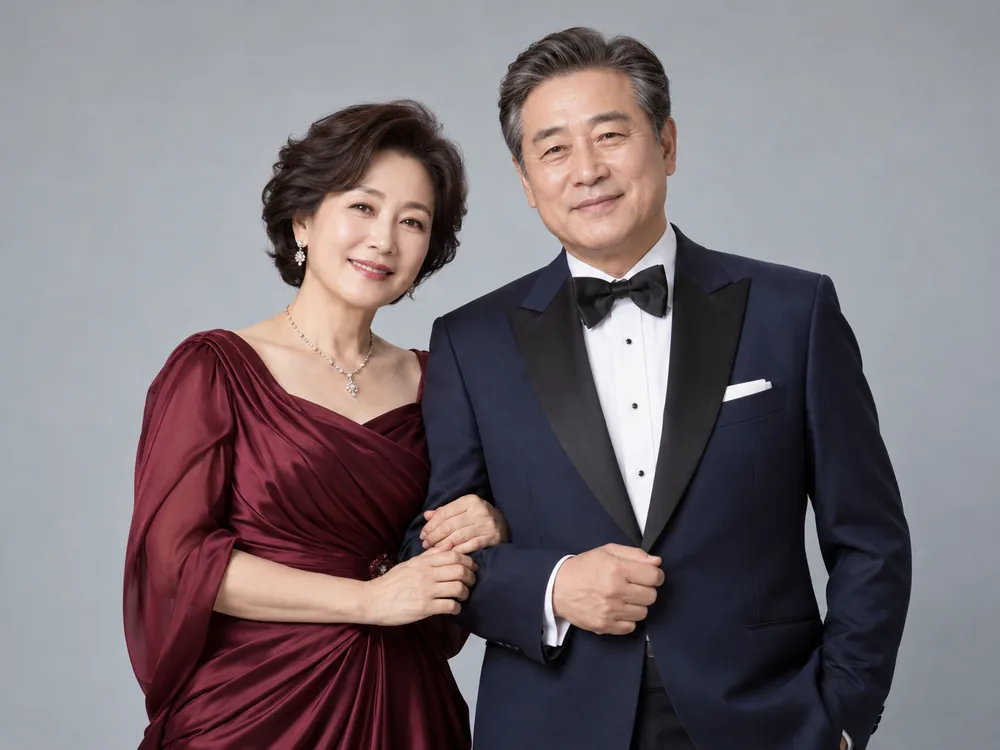
- Key position
- Use a broad source near the camera axis, roughly 20–30 degrees to one side, covering the whole group.
- Fill and grouping
- Reduce depth differences between rows and spread fill across people instead of brightening only one face.
- Distance and backdrop
- Moving a source farther away can reduce relative falloff across a group, but also makes it appear smaller; review modifier size as well.
- What to inspect
- Compare the nearest and farthest faces, then inspect hidden eyes and glasses reflections individually.
Context-specific adjustment: Inspect the edges and back row as well as the center of the stage.
Natural outdoor gathering
When to use it: For relaxed outdoor events and meetings.
Intended mood: Environmental detail and natural expressions feel present.
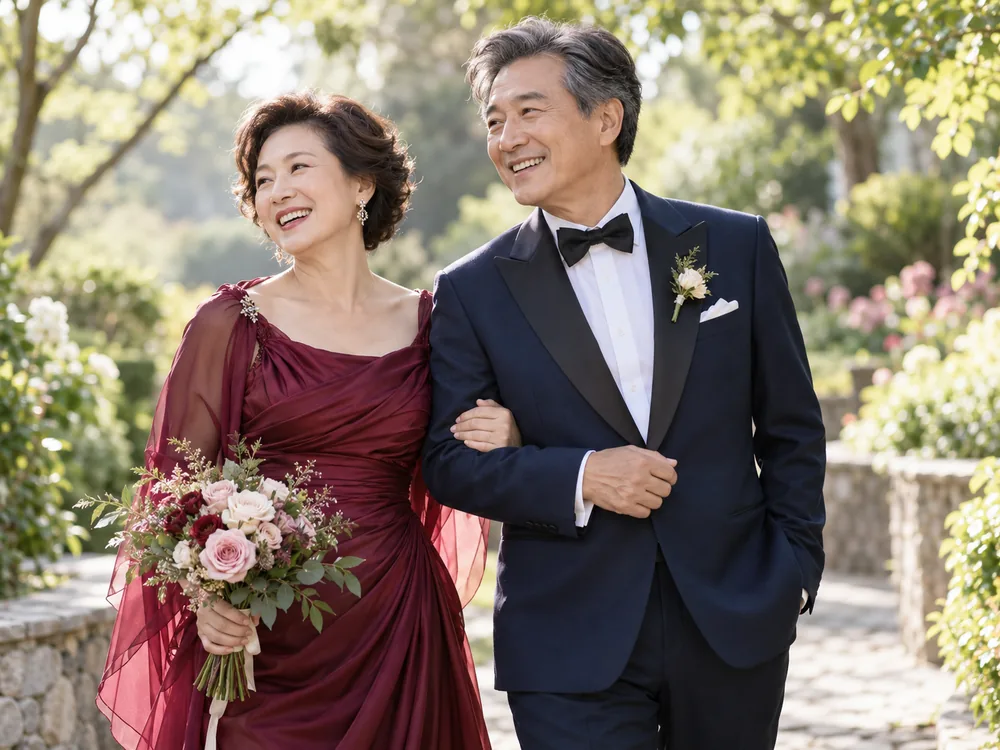
- Key position
- Face the subject toward a broad open sky in bright shade, avoiding patches of direct sun.
- Fill and grouping
- Use gentle white bounce if eyes or chins look dark, without creating glare.
- Distance and backdrop
- Compare the face with the brighter background so it does not become underexposed.
- What to inspect
- Move away from dappled leaf shadows. Overcast light and shade under trees are not interchangeable; inspect the actual face.
Context-specific adjustment: Do not invent signs, logos or participants absent from the supplied references.
Bright celebration light
When to use it: For energetic parties and celebratory occasions.
Intended mood: Luminous decoration with gentle facial shadows.
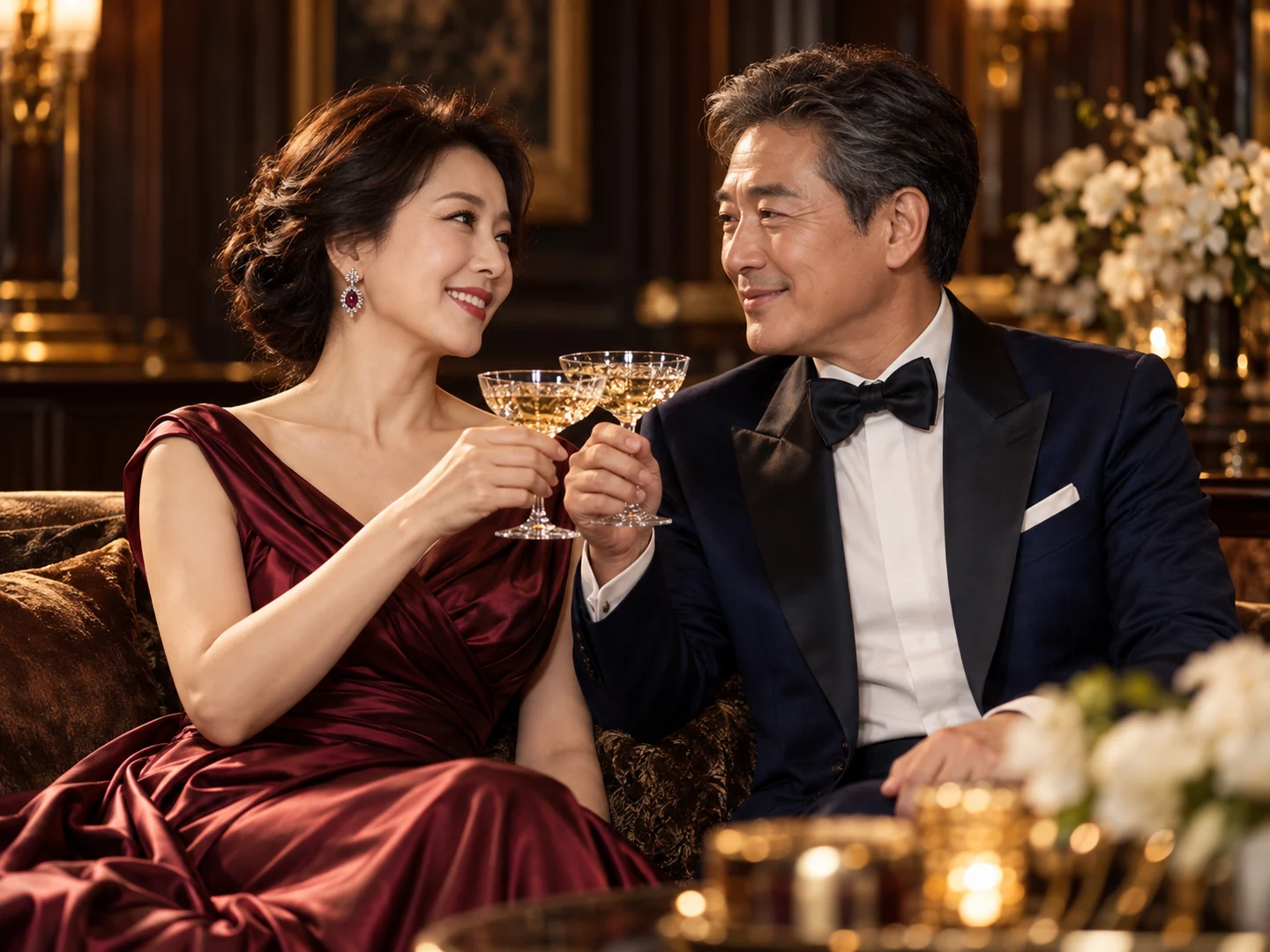
- Key position
- Use a large diffused key near the front at about 20–30 degrees to keep expressions and clothing readable.
- Fill and grouping
- Lift deep under-eye shadows with a reflector or broad subtle fill.
- Distance and backdrop
- Light a pale backdrop separately while preserving detail in white clothes and skin.
- What to inspect
- Watch for colored decorations spilling onto faces. Balance the subject and backdrop separately instead of simply increasing the key.
Context-specific adjustment: Separate facial key light from colored background effects.
What to check in the result
- Check edge and back-row participants
- Inspect mixed light colors on faces
- In real shoots, test LED banding and motion ghosting
Lighting questions for this portrait
Does a bright venue eliminate the need for fill?
Not necessarily. Eyes can remain shadowed under bright ceiling lights. Judge facial readability separately from the brightness of the room.
Should I add power when LED photos show bands?
Banding and insufficient light are different problems. Test the actual shutter, flicker settings and source; AI examples are not measured evidence.
Were these examples actually photographed with these setups?
No. They are AI-created mood illustrations and the placements are editorial proposals. They are not measured comparisons of output, color or shadows, or documentary photo sessions of the same person.
Does choosing light in Memory Photo automatically generate an image?
Memory Photo prepares a prompt. You attach the prompt and original photographs directly to an external AI and inspect identity, subject or pet count and the actual lighting expression in the result.
Apply it in Memory Photo
Choose the photo category and subtype, then the location, light and pose. Describe the desired light direction and mood in additional direction. Attach the completed prompt and source photographs directly to your selected AI conversation.
Open the photo studio ↗